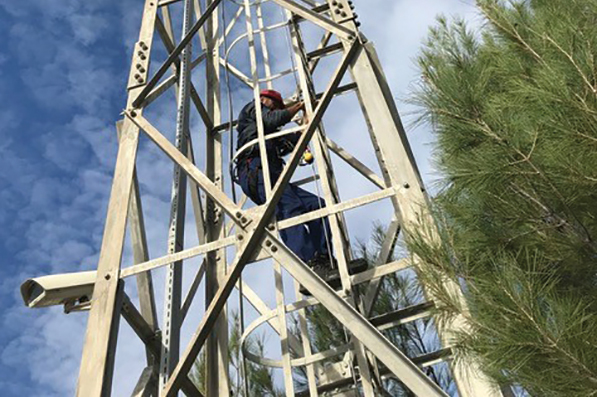


How to Choose a Vertical Ladder Lifeline System for Telecoms Structures
Working at height remains one of the most significant risks within the telecoms industry. Whether accessing monopoles, lattice towers, rooftop installations or other communications infrastructure, operatives often rely on fixed ladders to reach work areas safely and efficiently.
As telecoms networks continue to expand and existing infrastructure is upgraded, selecting the right ladder safety system has become an important consideration for asset owners, principal contractors and maintenance teams alike.
In this article, we look at what a vertical ladder lifeline system is, where it can be used and the key factors to consider when specifying a solution for telecoms structures.
What Is a Vertical Ladder Lifeline System?
A vertical ladder lifeline system is a fall protection solution installed alongside a fixed ladder. The system allows users to connect to a dedicated attachment device that travels with them as they climb, maintaining continuous attachment throughout ascent and descent.
Unlike traditional methods that may require operatives to clip and unclip between anchor points, a vertical ladder lifeline supports uninterrupted connection for the full climb route.
This approach can help improve climbing efficiency while supporting safer access to elevated work locations.

Where Are Vertical Ladder Lifeline Systems Used?
Vertical ladder lifelines are commonly installed on telecoms structures where fixed ladder access is required, including:
- Monopoles
- Lattice towers
- Rooftop access ladders
- Tower legs
- Climbing rails
- Communications masts
- Fixed access ladders on associated infrastructure
They are suitable for both new build projects and retrofit programmes where existing structures require upgraded access protection.
Key Considerations When Selecting a System
Not all telecoms structures are the same, which means the correct ladder lifeline solution should be selected based on the specific application.
Ladder Type and Configuration
The ladder design will influence system selection and installation requirements. Factors such as ladder material, rung profile, ladder width and fixing arrangements should all be considered during specification.
Common ladder types include:
- Aluminium ladders
- Galvanised steel ladders
- Round rung ladders
- Square rung ladders
- Diamond rung ladders
Climbing Height
The overall climb length determines the cable length, intermediate supports and system configuration required.
For taller structures, ensuring the correct system design is critical to maintaining performance across the entire climbing route.
Environmental Conditions
Telecoms infrastructure is frequently located in exposed environments where systems must withstand weather, moisture and corrosion over extended periods. Stainless steel systems are often specified because they provide excellent durability and long-term resistance to corrosion.
New Build or Retrofit Installation
Many telecoms operators are reviewing existing assets to improve access safety and standardise equipment across their estates. When selecting a system, it is important to determine whether the project involves a new structure or upgrading an existing installation, as this can influence specification requirements and installation methods.
Why Standardisation Matters Across Telecoms Estates
For organisations managing multiple sites, standardising access systems can help simplify inspection, maintenance and user training requirements. Using a consistent ladder safety solution across a portfolio of monopoles, towers and access structures can also help streamline procurement and future upgrade programmes.
As telecoms networks continue to grow, standardisation is increasingly becoming a consideration for infrastructure owners seeking consistency across geographically dispersed assets.
Specifying the Right Solution
Successful ladder lifeline projects start with accurate information about the structure and access requirements.
Key details typically include:
- Ladder height
- Ladder width
- Ladder material
- Rung type
- Structure type
- Step-off arrangements
- Access requirements at the top of the climb
Providing this information at the specification stage helps ensure the correct system is selected and manufactured for the application.
Build-Only Vertical Ladder Lifeline Solutions from Eurosafe
Eurosafe supplies MSA Latchways® LadderLatch™ vertical ladder lifeline kits for telecoms infrastructure projects across the UK.
Suitable for monopoles, lattice towers, masts and fixed access ladders, the system provides continuous attachment throughout the climbing route and can be configured to suit a wide range of structures.
Whether you’re specifying a solution for a single access ladder or standardising protection across a wider telecoms portfolio, our team can help identify the most appropriate LadderLatch™ configuration for your project requirements.
To discuss an upcoming telecoms access project or obtain pricing, contact the Eurosafe team with your ladder dimensions and access requirements.