


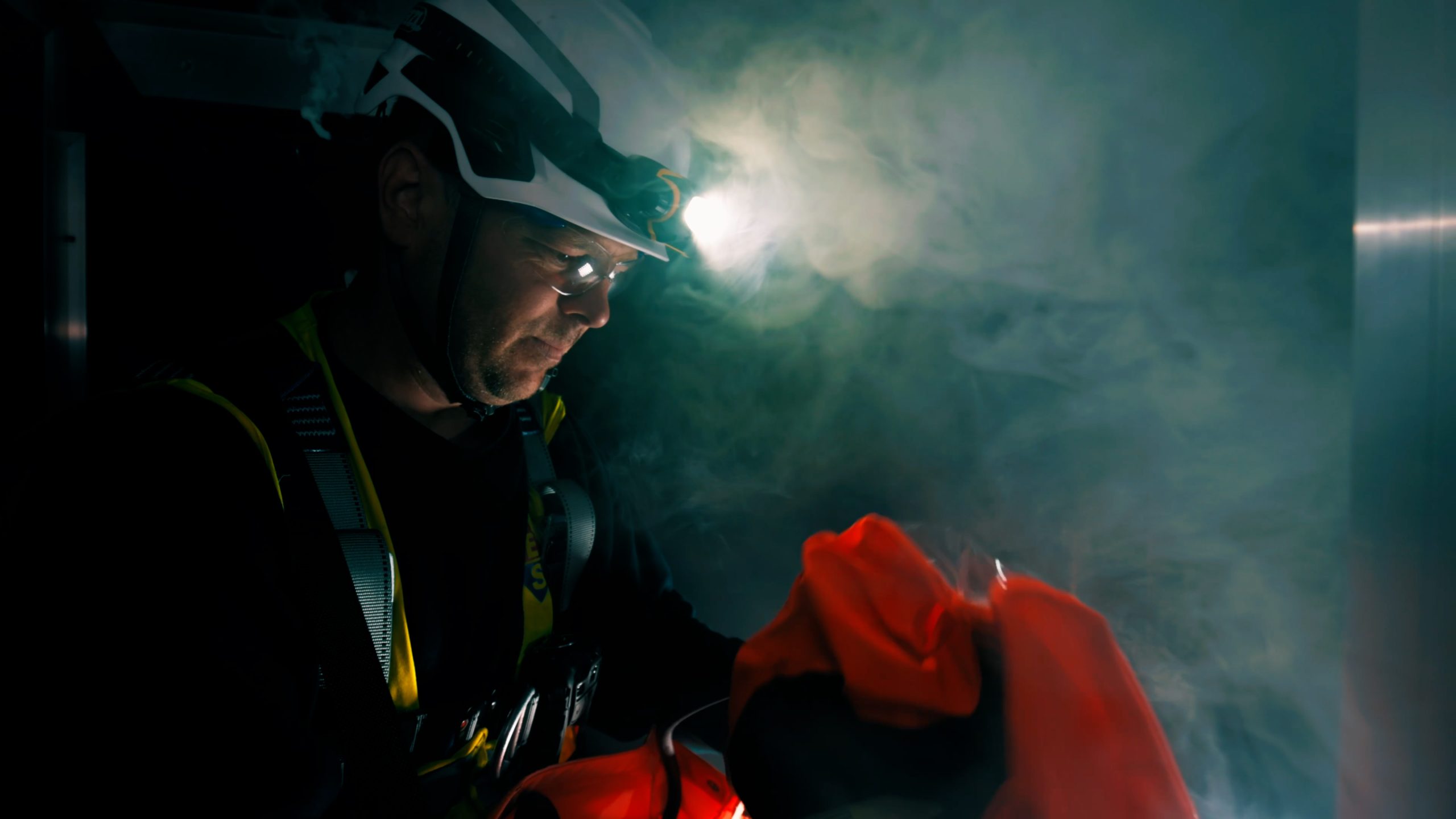
Confined Space Rescue: Stay and Play or Pack and Go? - Blog
Written by Steve Wood, Eurosafe Senior Trainer
When a gas alarm sounds in a confined space and a colleague collapses, instinct takes over.
Do you help?
Do you try to pull them out?
Or do you evacuate immediately?
It feels like a split-second, life-or-death decision. But under UK law, this is not a matter of instinct or bravery. It is a matter of planning, competence and compliance.
 When the gas alarm sounds, who should rescue?
Under the Confined Spaces Regulations 1997 and ACOP L101 – Safe Work in Confined Spaces, rescue is not an improvised act of heroism. It is a planned, trained and properly resourced activity.
A question we hear repeatedly, particularly during Medium Risk confined space training, is: Should a medium-risk confined space entrant help rescue a collapsed casualty during a gas alarm if they have not been trained to do so?
The answer is clear. No.
What the law actually says
Regulation 5 of the Confined Spaces Regulations 1997 requires that suitable and sufficient emergency arrangements are in place before entry takes place.
ACOP L101 (paragraphs 159–166) expands on this and is explicit about rescue and emergency arrangements. It states that:
- Rescue procedures must be planned in advance, not improvised
- Emergency arrangements must not rely on the emergency services as the primary means of rescue
- Anyone likely to be involved in a rescue must be trained and competent (L101 para 161)
Paragraph 163 goes further, stating that rescuers must be properly equipped and capable of entering the space safely, including protection against the very hazards that caused the emergency in the first place, such as toxic or oxygen-deficient atmospheres.
The limits of a medium-risk entrant’s role
Everyone involved in confined space work must understand the boundaries of competence.
A medium-risk confined space entrant is trained to:
- Recognise confined space hazards
- Use gas monitoring equipment
- Follow safe systems of work
- Evacuate immediately when alarms sound
They are not trained or competent to carry out a rescue unless this has been explicitly defined within their role, supported by appropriate training, equipment and a documented emergency plan.
Attempting a rescue without this preparation does not just breach guidance – it places another life at risk.
Why improvised rescue kills
History shows that many confined space fatalities are not the first casualty.
They are colleagues who entered the space with the best of intentions but without the training, equipment or protection needed to survive the conditions inside.
This is exactly the scenario ACOP L101 is designed to prevent.
Good intentions do not overcome toxic atmospheres, oxygen deficiency or sudden gas releases. Training, planning and proper rescue arrangements do.
What should happen when a gas alarm sounds
When a gas alarm activates and a person collapses inside a confined space, the correct response is:
- Raise the alarm
- Evacuate immediately
- Implement the planned rescue arrangements, which may include trained rescuers donning appropriate breathing apparatus<
- Do not re-enter the space unless trained, authorised and fully equipped to do so
If your emergency plan relies on untrained entrants “doing their best” in an emergency, it does not meet the requirements of Regulation 5 or the intent of ACOP L101.
Rescue is not reactive
Rescue is not something you decide in the moment. It is designed, trained and rehearsed long before anyone enters the space.
A critical question for duty holders is this: How clearly are entrant, attendant and rescuer roles defined in your confined space arrangements?
If you would like to review your confined space emergency planning or learn more about appropriate training and rescue provision, speak to the team at Eurosafe.
FAQs
Who should rescue someone in a confined space when a gas alarm sounds?
Only trained, authorised and properly equipped rescuers should attempt a confined space rescue. Rescue must be planned in advance and carried out by competent personnel as part of documented emergency arrangements.
Can a medium-risk confined space entrant attempt a rescue?
No. A medium-risk confined space entrant must not attempt a rescue unless this role has been explicitly defined, trained for and supported by suitable equipment within the emergency plan.
What does the law say about confined space rescue?
The Confined Spaces Regulations 1997, Regulation 5, requires suitable and sufficient emergency arrangements to be in place before entry.
ACOP L101 states that rescue procedures must be planned, must not rely on the emergency services as the primary means of rescue, and must only be carried out by trained and competent personnel.
Why are unplanned rescue attempts so dangerous?
Many confined space fatalities occur when untrained colleagues attempt spontaneous rescues. These individuals are often overcome by the same hazards, such as toxic gases or oxygen-deficient atmospheres, that caused the original incident.
What should happen when a confined space gas alarm activates?
When a gas alarm sounds:
- Stop work immediately
- Evacuate the confined space
- Raise the alarm
- Implement the planned rescue arrangements
Entrants must not re-enter the space unless they are trained, authorised and equipped to do so.
Can emergency services be relied on for confined space rescue?
No. ACOP L101 makes it clear that emergency services must not be relied upon as the primary means of rescue. Suitable on-site rescue arrangements must be in place before work begins.
How do I know if our confined space emergency plan is compliant?
If your plan relies on untrained entrants “doing their best” in an emergency, it is unlikely to meet the requirements of Regulation 5 or ACOP L101. Emergency roles, rescue procedures and training must be clearly defined and rehearsed.
Does Eurosafe provide confined space rescue training?
Yes. Eurosafe provides confined space training and rescue training to support compliant emergency planning and safe working practices. Speak to our team to discuss your specific requirements.